The shortage of suitable donor organs remains one of the greatest challenges in transplantation medicine. In Germany alone, around 8,200 people are currently waiting for a donor organ, approximately 1,000 of them in Hannover. A new research project, “Xenotransplantation in Lower Saxony” (XeNid), has now been launched at Hannover Medical School (MHH). Its aim is to establish the conditions needed for genetically modified pig organs to be used in the future as temporary organ replacements until a suitable human donor organ becomes available. The State of Lower Saxony and the VolkswagenStiftung are funding the four-year project with around €4 million as part of the “zukunft.niedersachsen” programme.
Several BREATH researchers at MHH are involved in XeNid, including PD Dr. Tobias Goecke, PD Dr. Fatih Noyan and Dr. Robert Ramm. The project builds on previous research conducted within the BREATH Junior Research Group Xenogeneic Lung Transplantation, including work on organ perfusion. These studies established important experimental foundations on which the new XeNid project can now build.
Pig organs as temporary replacements
Due to their anatomical and physiological similarities to humans, pigs are generally considered suitable potential organ donors. Further advantages include the possibility of selecting donor animals to match human recipients and genetically modifying them accordingly. In combination with novel immunosuppressive strategies and improved organ preservation, these approaches can help prevent the immediate rejection of animal organs by the human immune system.
The MHH team is pursuing several approaches. For patients with acute liver failure, for example, a form of temporary liver support using genetically modified pig livers is to be developed. The project also includes new concepts for regenerative implants based on porcine heart valves as well as ex vivo lung perfusion. At the same time, key questions concerning immune responses, infection risks, transplantation techniques and ethical frameworks need to be addressed. Patient organisations will therefore also be involved in the development process.
A recently published case report in The Lancet illustrates how tangible the potential of xenotransplantation has already become. A patient with end-stage kidney failure received a genetically modified pig kidney that supported him for 271 days — around nine months — without dialysis. The xenotransplantation could subsequently be terminated, and the patient later successfully received a human donor kidney.
At the same time, the case highlights the important challenges that remain. No clinically relevant transmission of porcine pathogens occurred, and no problematic immune sensitisation affecting the subsequent human donor kidney was observed. However, the xenograft developed vascular damage over time and ultimately lost its function.
“The case demonstrates very clearly that xenotransplantation can, in principle, serve as a bridge to human organ transplantation. At the same time, it also shows us which immunological and biological mechanisms still need to be addressed in order to stabilise organ function in the long term,” says Dr. Robert Ramm.
With XeNid, the preliminary work based on projects of the BREATH Junior Research Group will now be continued within a larger interdisciplinary research network, laying the groundwork for future clinical application. In particular, the combination of organ perfusion, transplantation medicine and immunology opens up new opportunities for the further development of xenotransplantation.
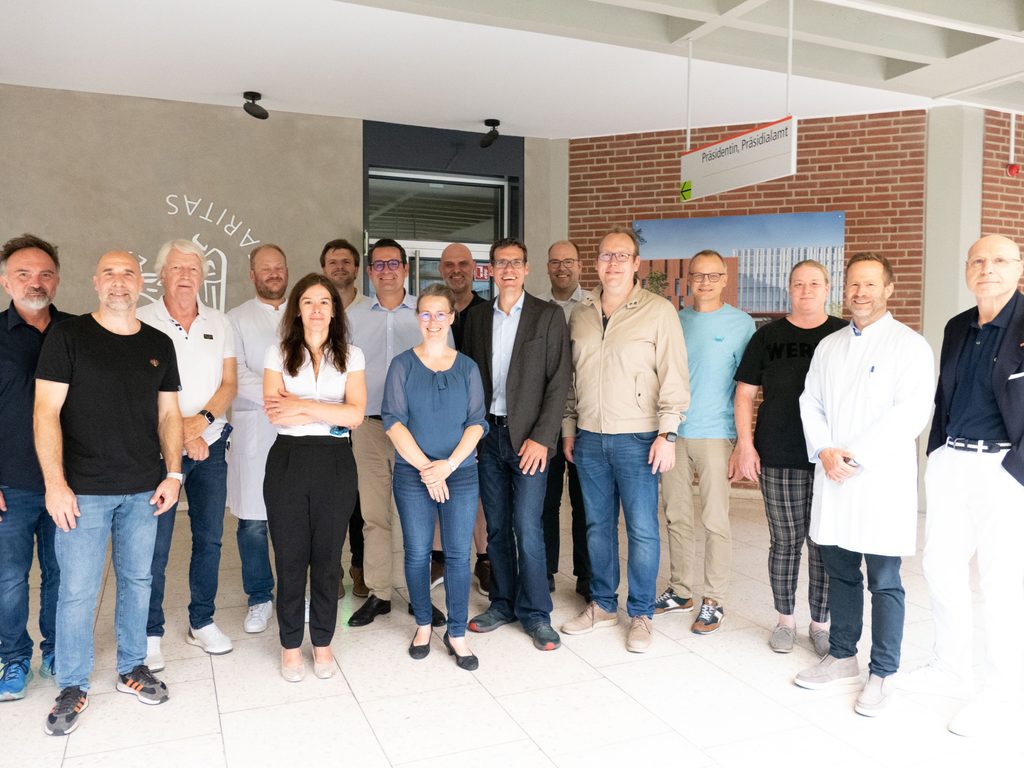
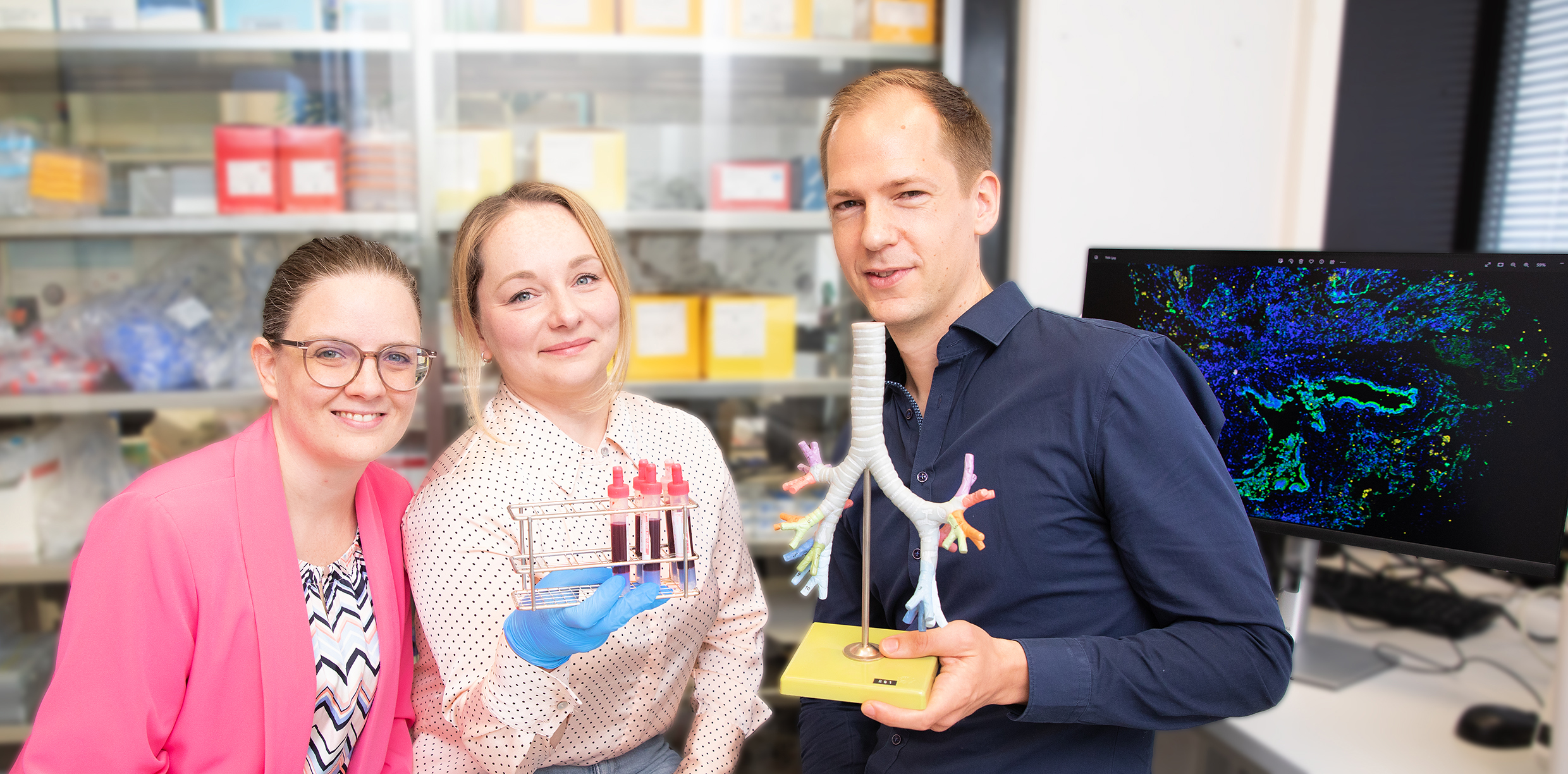
The XeNid project team. Copyright: Bettina Bandel / MHH
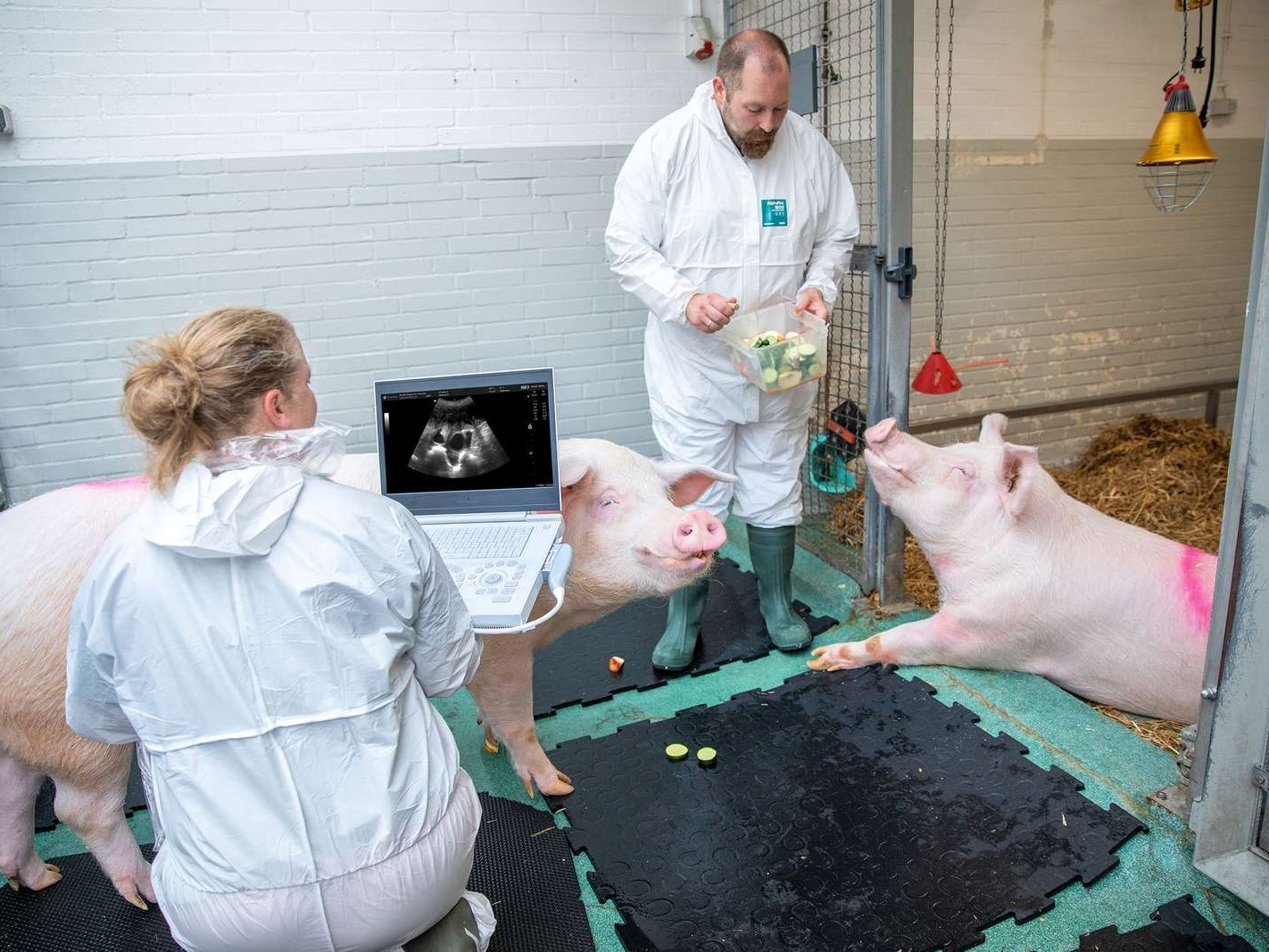
Breeding management supported by regular ultrasound examinations. Copyright: Karin Kaiser/MHH